Why Is This a Thing?
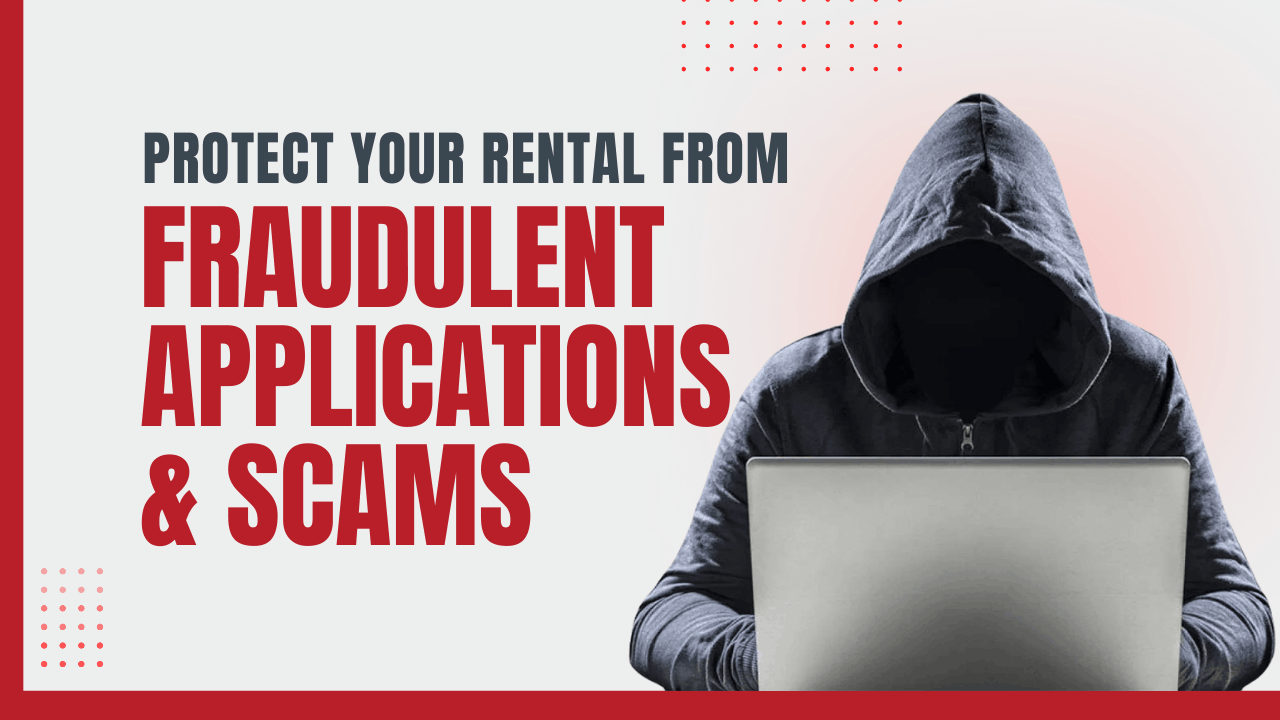
Rental application fraud encompasses any deliberate misrepresentation intended to secure a lease under false pretenses. While some applicants simply gloss over negative details, others actively manipulate documentation or personal information. In Arlington’s competitive rental environment, owners must be able to identify the difference.
It’s becoming easier and more dangerous because of technology and because landlords are eager to get their homes rented. Some tenants are also concerned they won’t be approved for a rental home on their own merits, so they turn to desperate and dishonest solutions.
Common Types of Fraud and Scams
The most common categories of rental application fraud that we see include the following.
- Income and Employment Fraud
Applicants may provide fabricated pay stubs, altered W-2s, falsified employment letters, or use “salary verification” services that generate convincing but illegitimate documents.
There’s also a growing risk of identity fraud, where people will use stolen or synthetic identities, where applicants may pass
background checks under another person’s name.
This type of fraud can lead to unpaid rent, property damage, and difficulty enforcing lease terms because the information on file is inaccurate.
Applicants sometimes supply the name of a friend or relative as a “prior landlord” or reference. In more elaborate scams, they may create fake email addresses and phone numbers to impersonate employers or property owners.
This occurs when applicants misrepresent their intended use of the property. Examples include individuals who plan to sublease without authorization, those attempting to run a business from the residence, or applicants misrepresenting the number of people who will occupy the unit.
- Third-Party Leasing Scams
In some cases, scammers pose as legitimate renters seeking a property, lease it, and then list the unit fraudulently on social platforms or marketplace sites. They collect deposits from unwitting victims and disappear.
Understanding these patterns is the first step toward building a prevention strategy.
Implement Strong Identity Verification Procedures
Identity verification is foundational. Without certainty about who is applying, no subsequent screening step is reliable. We recommend using technology that validates government-issued IDs. This is an important first step. Several property management platforms and screening services now include ID authentication tools that check for inconsistencies in security features, formatting, and photo manipulation.
Require applicants to submit unaltered, high-quality images or scans. Low-resolution or cropped images are red flags. Many scammers intentionally blur sensitive areas to conceal edits.
You want to match identification details to other documents. The address on a driver’s license should reasonably correspond with the applicant’s stated rental history. Names, middle initials, and dates must be consistent across documents.
If something looks funny, be skeptical. Recently issued IDs, for example, when an applicant claims to have lived in the state for the last 10 years could be an issue. While there are legitimate reasons for recent issuance, this is a common indicator of synthetic identities.
Choose Screening Providers Wisely
Third-party screening services offer automated tools that analyze data, detect inconsistencies, and cross-reference information against national databases. They provide criminal background checks, eviction histories, and credit reports. They can be a great tool for self-managing landlords who do not have the support of a property management partner.
As
property management experts, we use tools and technology that allows for:
- Automated fraud detection algorithms
- Cross-matching data from multiple sources
- Identity verification features
- Employment and income verification services
- Secure applicant portals to prevent tampering
This helps us to keep screening processes safe, objective, and comprehensive. We avoid manual screening processes because they are not sufficient against modern digital fraud activity.
Scrutinize Income and Employment Documentation
Income verification is one of the most frequent targets of manipulation because it is a gatekeeper for tenancy approval. Arlington’s rental rates are higher than national averages, increasing the incentive for applicants to misrepresent earnings.
We recommend the following best practices:
1. Examine pay stub formatting and consistency.
Professional payroll systems follow standardized structures. Look for alignment, font mismatches, mathematical errors, or inconsistent employer details.
2. Validate employer information independently.
Use publicly available corporate websites or LinkedIn to confirm the company exists. Cross-check the applicant’s job title and manager information. Do not rely solely on the phone number the applicant provides.
3. Verify pay frequency and deposit records.
If bank statements are submitted, ensure deposits match the paystub amounts and dates. Inconsistencies are meaningful.
4. Be cautious with “verification services” listed by the applicant.
While some employers use legitimate payroll verification portals, many fraudulent document generators mimic these platforms. Confirm the domain, website history, and business legitimacy before accepting verification from an unfamiliar service.
5. Request multiple forms of income evidence.
For salaried roles, this may include recent pay stubs, W-2s, or an offer letter. For self-employed applicants, require tax returns, bank statements, and business documentation.
Check Rental History Diligently
Because rental history provides evidence of behavior patterns, fraudulent applicants frequently attempt to obscure past evictions or problematic tenancy.
Call prior landlords using verified contact information. Never rely exclusively on phone numbers provided in the application. Use county records, online property listings, or public tax databases to confirm ownership. Ask specific, behavior-based questions. General questions allow fake references to fabricate answers, while targeted questions make misinformation more difficult. Examples include:
- Were there any late payments?
- Did the applicant receive any lease violations?
- Was the security deposit returned in full?
Verify move-in and move-out dates, which should align with employment dates, utility records, and the applicant’s stated timeline. Watch for inconsistencies in addresses, too. Applicants sometimes list properties they never lived in or modify the dates to hide gaps related to evictions or disputes.
Red Flags Arlington Landlords Should Watch For
While no single red flag automatically indicates fraud, combinations of warning signs warrant further scrutiny. Common indicators that always get our attention include:
- Rush requests to move in immediately
- Refusal to complete the online application
- Hesitation to provide documentation or ID
- Overly aggressive negotiation on rent or terms
- Inconsistencies in the name spelling across documents
- Documents missing key information (dates, employer addresses, pay periods)
- Email addresses that appear templated or throwaway (like recent Gmail accounts with a long list of random numbers)
- Phone numbers that cannot be traced to real businesses
Remain vigilant when several indicators appear at once.
Implement Secure, Controlled Leasing Workflows
Fraud is more likely when leasing processes are unstructured or conducted through informal channels. Secure your workflow with the following practices:
1. Use a dedicated online portal for applications.
Platforms with secure document submission reduce the likelihood of tampering.
2. Avoid email-based document collection.
Email attachments are easier to falsify, harder to track, and less secure.
3. Never accept cash for deposits or rent.
Cash transactions are a tactic in sublease scams and can create major legal complications.
4. Maintain strict controls over lease execution.
Use digital signature platforms that verify identity and prevent unauthorized edits.
Protect Against Third-Party Listing Scams
Arlington’s competitive housing environment has given rise to an increase in unauthorized re-listing scams, where fraudulent actors post real rental units on online marketplaces at discounted rates.
To reduce this risk, set up periodic search alerts for your property’s address on major listing sites. Watermark listing photos to limit misuse.
Use a professional property management website with authoritative SEO to establish your property as the legitimate source and clearly instruct prospects to apply only through your official portal, never through third-party links.
Promptly report fraudulent listings to the platform and local authorities.
Professional Property Management in Arlington
Managing fraud risk requires time, technology, and expertise. Professional property management teams like ours can leverage:
- Advanced screening software
- Trained leasing staff familiar with fraud indicators
- Strict verification procedures
- Secure applicant portals
- Compliance oversight
- Established workflows that reduce exposure
Partnering with a property management company often provides stronger risk mitigation and faster, more reliable leasing outcomes.