Single-Family Homes and the Arlington Rental Market
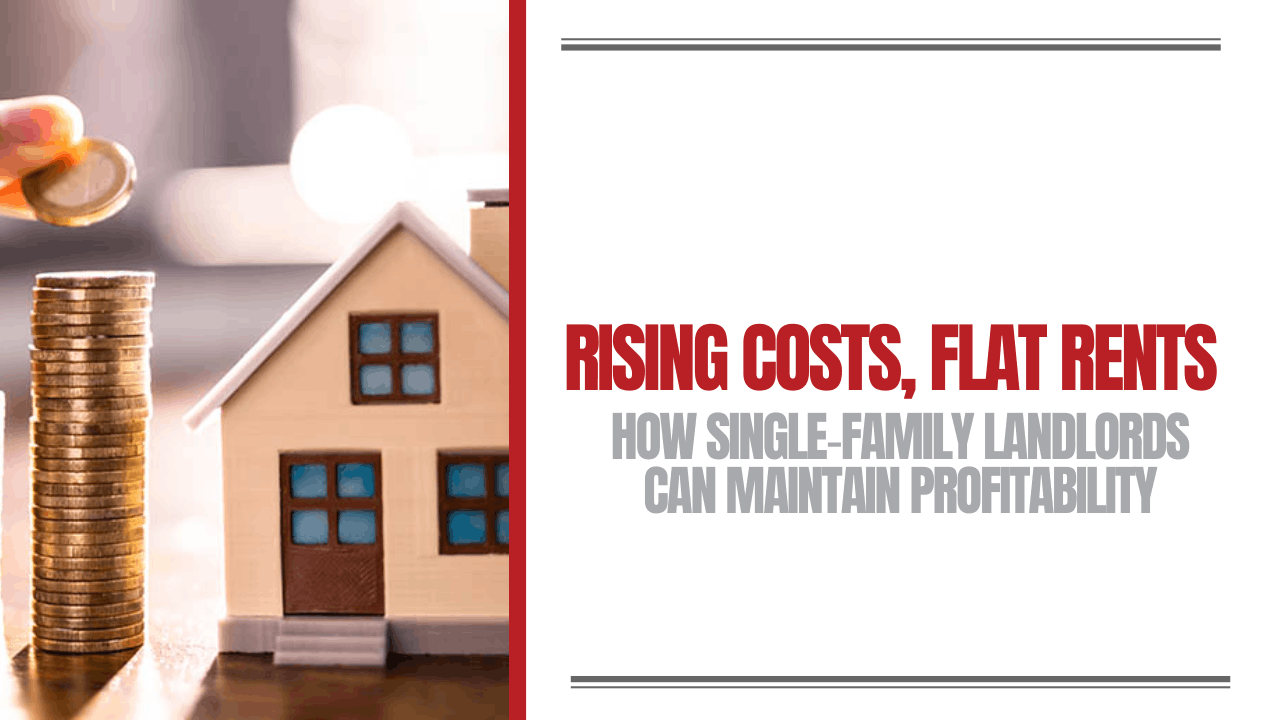
Single-family homes in Arlington occupy a relatively resilient niche, and demand remains high no matter what kind of rental cycle we’re seeing. But they’re not immune to a cooling rental cycle and
rising operating costs.
Demand remains anchored by proximity to Washington, D.C., stable federal employment, and strong public schools, which continue to attract higher-income tenants seeking space and neighborhood amenities. However, rent growth has certainly cooled, especially when we think about how quickly those rents were rising just a few years ago. We’re seeing some properties remain vacant longer, and while occupancy is solid, renewal rates are not as high as we might like.
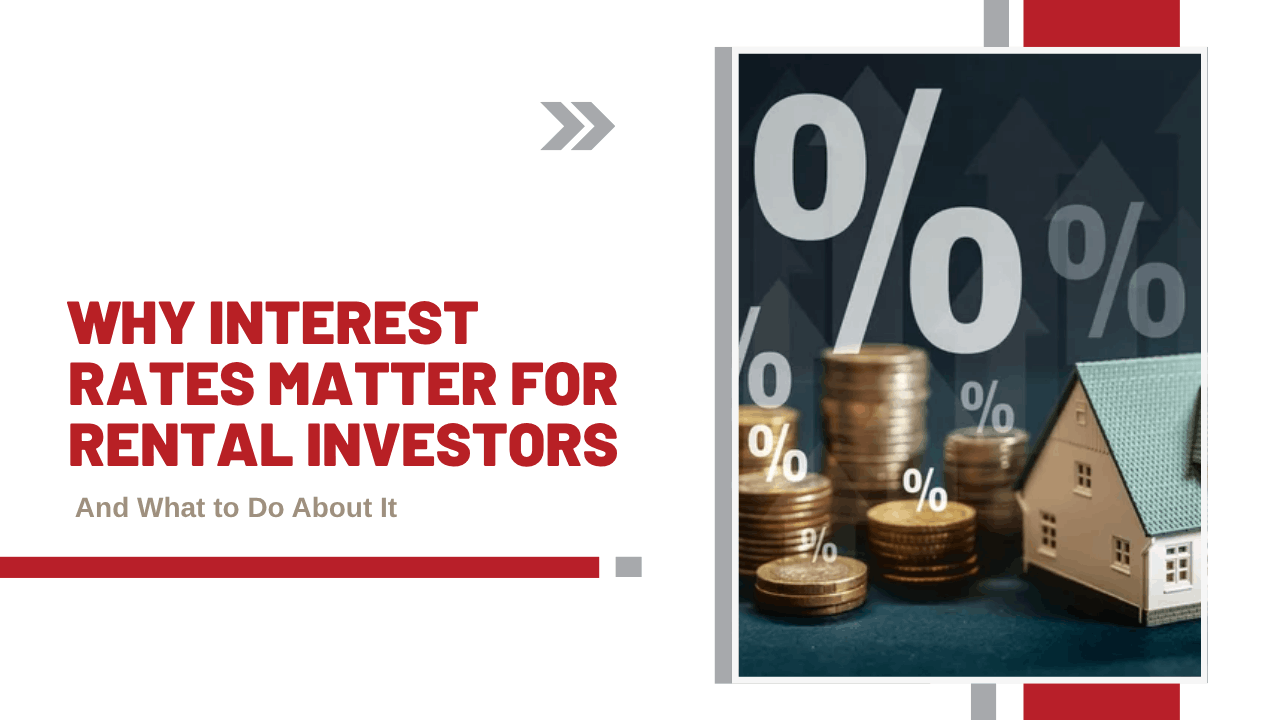
Single-family investments come with unique ownership expenses. Those costs are trending upward. Real estate taxes, insurance premiums, routine maintenance, and capital expenditures on aging homes all put pressure on net operating income. For leveraged owners, higher borrowing costs further compress cash flow.
As a result, performance increasingly depends on disciplined operations,
realistic rent projections, and
proactive property management. Well-located, updated homes still bring in high rents and qualified tenants. It’s just that the margin for error has narrowed. You want to make sure your property is one of the most competitive on the market.
Consider a Financial Reset for Your Arlington Single-Family Investment
If you purchased or refinanced during a low-rate, high-growth period, your original underwriting assumptions may no longer reflect market reality. Start with a full financial reset. That may include:
- Update market rents using current comparable leases and not last year’s projections.
- Recalculate operating expenses based on actual trailing 12-month data.
- Adjust vacancy assumptions to reflect longer leasing timelines.
- Review your debt service coverage ratio (DSCR) under conservative rent assumptions.
We have found that this exercise clarifies whether you are managing for thin margins or a comfortable cushion. If you’re feeling those mortgage payments complicate your earnings, operational discipline is likely your best path forward.
Focus Relentlessly on Tenant Retention
When rents have stabilized, tenant retention is one of the most powerful tools for your profitability.
Turnover is expensive, especially for a single-family home in Arlington. Those vacancies can cost a month or more of lost rent. The cleaning and repainting expenses are likely higher than the last time you turned over a home. And, you’ll have marketing costs and minor repairs. If you typically
update and upgrade during turnovers, those costs will be higher, too.
And so our advice is to avoid those turnovers whenever possible.
We focus on retaining tenants with:
- Fast responses to maintenance requests.
- Periodic check-ins before lease renewal.
- Modest but meaningful renewal incentives (carpet cleaning, new microwave, etc.).
- Avoiding aggressive rent hikes when market conditions don’t support them.
A stable, reliable tenant at slightly below theoretical peak rent often produces higher net income than frequent turnover at marginally higher rates.
Control Maintenance with Preventive Strategies
Single-family homes are maintenance-intensive investments. Deferred maintenance can quickly convert into capital emergencies. Instead of reacting to problems, we like to shift to preventive maintenance management. That means scheduled HVAC inspections and servicing. We
inspect roofing and gutters annually and we flush water heaters and inspect plumbing connections.
By addressing small exterior issues before they escalate, we protect the value and condition of your single-family home. Preventive maintenance reduces emergency calls, which are often the most expensive form of repair. This approach extends the life of major systems.
Audit Insurance and Property Taxes
Inflation, rising construction material costs, and increased claims from severe weather events have led to higher
Insurance premiums across Northern Virginia. This is a good time to talk with an insurance agent about what you’re paying and whether you’re fully covered.
Similarly, review your real estate tax assessment. Arlington property values have appreciated significantly over time, and assessment methodology may not perfectly reflect current market value. If your assessment appears inflated relative to comparable properties, consult a local tax professional regarding appeal procedures.
Improve Energy Efficiency to Lower Operating Costs
Utility-efficient homes are more attractive to tenants and cheaper to operate. Most single-family renters pay their own utilities. They’ll notice when those costs go down. As an owner, you’ll save money, too, during turnover periods and by avoiding extra replacements. Our most cost-effective suggestions are:
- Install programmable or smart thermostats.
- Upgrade insulation where feasible.
- Replace aging appliances with energy-efficient models.
- Convert lighting to LED.
Don’t forget that reduced system strain lowers long-term repair frequency.
Price Strategically for the Arlington Rental Market
Flat rent growth does not mean weak demand. And it doesn’t have to mean lower earnings.
What it really means is that tenants have more options.
Overpricing a property can lead to extended vacancy, increased days on market, and concessions later in the leasing cycle. In many cases, pricing slightly below competing inventory results in faster lease-up and lower overall vacancy loss. The objective is total annual income, not theoretical peak rent. This can be a difficult concept to embrace when you want those big rent deposits every month.
We’re monitoring submarket comparables within specific Arlington neighborhoods. This leads us to more accurate pricing, which can keep your rental homes occupied. Micro-location matters.
Be Selective with Renovations and Updates
In a high-cost environment, capital expenditures must be intentional. Instead of full renovations, consider targeted improvements that increase perceived value. Those energy-efficient light bulbs we mentioned are a great place to start. Modern cabinet hardware can make a kitchen look bright and modern. Refresh your landscaping to increase curb appeal.
These relatively modest upgrades can materially improve marketability without triggering large capital outlays.
Build and Maintain Cash Reserves
Cash flow volatility is inevitable in single-family rentals. Roof replacement, HVAC failure, or unexpected vacancy can disrupt annual returns. A disciplined reserve strategy protects profitability over the long term. Consider maintaining three to six months of operating expenses in a separate capital expenditure reserve fund. Strong liquidity allows you to address issues promptly without relying on high-interest credit, preserving both asset quality and financial stability.
Leverage long-term fixed financing when you can. If you hold adjustable-rate debt or short-term financing, rising interest rates can erode profitability quickly. Evaluate refinancing options if they provide predictable long-term fixed rates, improved amortization structure, and enhanced DSCR.
Even if rates are higher than prior historic lows, stability has value. Predictable debt service simplifies planning and reduces exposure to future rate volatility.
Consider Portfolio Diversification
Arlington’s fundamentals remain structurally resilient, so we are always encouraging rental property owners to focus on those long-term plans and goals instead of what’s stressing us out in the moment. Our market remains capable of withstanding periods of flat rents and higher costs, especially when you own single-family rental homes. There’s limited land for new single-family development. The cost of entry in this market is high, which means you have an incredibly valuable asset in your portfolio if you own even one single-family home in Arlington.
The local economy is growing, and we have stable employment conditions and strong school districts. Those in or around the capital region will immediately think of Arlington when they’re looking to rent a single-family home.
Short-term rent stagnation does not invalidate long-term value. Appreciation, equity amortization, and tax advantages continue to contribute to total return.
Long-term success depends on surviving and stabilizing through slower cycles, and that’s what we’re helping you do.
When rent growth slows, operational excellence becomes the primary driver of returns. If you’re looking for additional ways to maintain profitability in a shifting rental market, contact us at Arlington Realty Property Management. We might have some ideas that are unique to you and your property.