Work‑From‑Home Tenants Are Here to Stay: How Arlington Landlords Should Adapt Their Properties
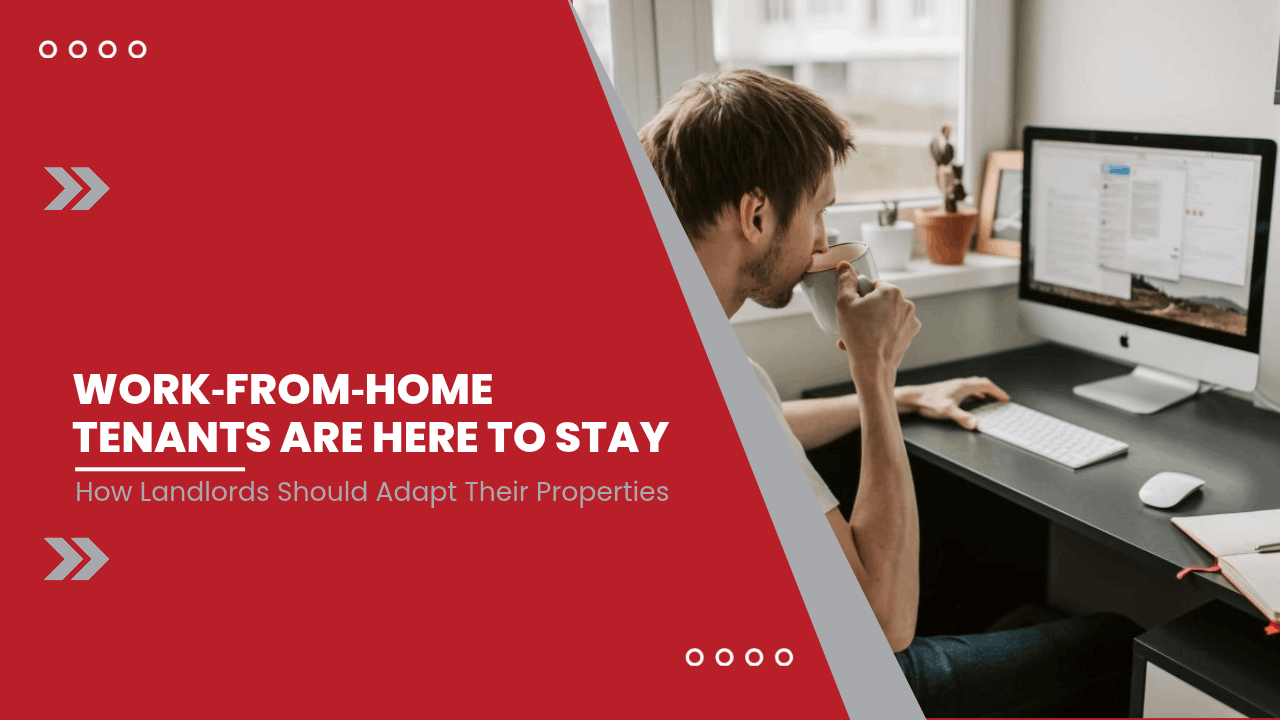
What makes a work-from-home tenant different from others who might rent your property?
That work-from-home tenant actively uses the home as a professional workspace every day. That changes what they value in a home. Reliable internet connectivity, quiet surroundings, functional layouts, strong lighting, dedicated office space, and dependable utilities become critical features rather than optional amenities.
Remote workers still care about location, but they also evaluate whether the property can support productivity, video calls, concentration, and work-life balance. In competitive markets like Arlington, landlords who understand these evolving expectations can position their rentals ahead of comparable properties.
The rise of remote and hybrid work is not a temporary shift. Many employers now operate with flexible workplace policies, and tenants increasingly expect their homes to accommodate professional responsibilities.
Our goal is to support work-from-home lifestyles because serving these tenants can improve tenant retention, reduce vacancy periods, and justify higher rental pricing.
| Our Summary: |
|---|
| - Work-from-home tenants evaluate rentals differently than traditional renters. |
| - Dedicated workspace, strong internet, and quiet interiors are now major competitive advantages. |
| - Small upgrades can significantly improve rental appeal without requiring major renovations. |
| - Remote workers often value stability and may remain in properties longer. |
| - Marketing language and listing photos should emphasize productivity-friendly features. |
| - Arlington landlords who adapt early can position themselves ahead of competitors as remote work continues evolving. |
Arlington Is Especially Attractive to Remote Workers
Arlington has long appealed to professionals because of its proximity to Washington, D.C., access to transit, walkable neighborhoods, and strong local amenities. But the area now attracts a broader category of renters: professionals who may only commute occasionally or not at all.
Remote workers are choosing Arlington because it offers:
- Access to urban conveniences without requiring a daily downtown commute
- High-quality dining, retail, and recreation options
- Reliable infrastructure and internet availability
- Appealing neighborhoods for long-term living
- Easy access to airports and regional transportation for occasional business travel
As remote work expands, many tenants are placing greater emphasis on lifestyle and comfort rather than proximity to a specific office building.
What Are The New Priorities of Work-From-Home Renters?
Here’s what we’re seeing tenants gravitate towards when they work from home.
1. Dedicated Workspace
One of the biggest differences between remote workers and traditional renters is the need for usable workspace. A tenant who works from home full-time often cannot comfortably work from a kitchen table or couch long term.
Landlords should think carefully about how their properties can support a
home office setup.
Features that appeal to remote workers include:
- Extra bedrooms marketed as office space
- Built-in desks or work nooks
- Finished basements or loft areas
- Flexible floor plans
- Strong natural lighting
- Sufficient electrical outlets
Even small apartments can feel more functional if a specific area is intentionally designed for productivity. When marketing the property, avoid generic descriptions. Instead of saying “bonus room,” say “ideal home office” or “dedicated remote work area.”
2. Reliable High-Speed Internet
For remote workers, internet quality is as important as water or electricity. Frequent video conferencing, cloud-based software, and large file transfers require stable connections.
Landlords in Arlington should verify fiber or high-speed internet availability and consider including internet provider information in listings. We have seen some owners have success with offering internet as an included amenity.
If your property has weak connectivity in certain rooms, remote workers will notice immediately. In some cases, investing in mesh Wi-Fi systems or upgraded wiring can meaningfully improve tenant satisfaction.
3. Noise Reduction Matters
A tenant conducting virtual meetings throughout the day is highly sensitive to noise.
Properties near busy roads, thin-walled multifamily buildings, or noisy common areas may struggle to attract remote workers unless steps are taken to reduce sound disruption. Practical improvements include:
- Installing solid-core interior doors
- Adding weather stripping around windows
- Upgrading insulation
- Using thicker flooring materials
- Installing double-pane windows
Even modest soundproofing improvements can make a property significantly more attractive to professionals who spend all day on calls.
4. Lighting and Comfort Affect Productivity
Remote workers spend substantially more time inside the property than traditional renters. Poor lighting, uncomfortable temperatures, and inadequate airflow become major frustrations over time.
Bright, comfortable interiors photograph better in listings and create stronger first impressions during showings.
Property Upgrades That Deliver Strong ROI
Many relatively affordable updates can help attract remote-working tenants.
- Convert Unused Space Into Functional Areas
Storage rooms, oversized landings, alcoves, and den spaces can often be repositioned as office areas. A simple setup might include floating desk installations, shelving, improved lighting, neutral paint colors, and added outlets or USB charging ports. These upgrades are often inexpensive compared to full remodels but provide meaningful perceived value.
- Upgrade Electrical Infrastructure
Remote workers use more electronics than average tenants. Multiple monitors, laptops, printers, ring lights, and networking equipment increase electrical demand. Ensure adequate outlet placement and convenient charging access. Properties with outdated electrical systems may frustrate tenants quickly.
- Improve Outdoor Spaces
Patio office, anyone? Remote workers increasingly value private or semi-private outdoor areas because they spend more time at home. Appealing outdoor amenities include small decks and even shared courtyards. Compact outdoor spaces can become highly marketable if presented well.
- Add Smart Home Features
This is a big one. Technology-forward tenants often appreciate
smart features that improve convenience and efficiency. Popular additions include smart thermostats, video doorbells, smart locks, app-controlled lighting, and energy monitoring systems.
How Does Remote Work Impact Tenant Retention?
One overlooked benefit of appealing to work-from-home renters is the potential for longer tenancy periods.
Remote workers often prioritize stability because moving disrupts both their living situation and work environment. Once they establish a productive setup in a comfortable property, they may be less inclined to relocate frequently.
This creates several advantages for landlords:
- Lower turnover costs
- Reduced vacancy periods
- More predictable rental income
- Less wear from frequent move-ins and move-outs
However, retention depends heavily on responsiveness. Since remote workers spend more time at home, they notice maintenance issues faster and expect timely communication.
A tenant dealing with HVAC problems during a workday may consider the issue far more urgent than a renter who spends most daylight hours elsewhere.
Potential Challenges Arlington Landlords Should Anticipate
While remote-working tenants can be highly desirable, landlords should understand the operational differences they may bring.
- Increased Utility Usage. Remote workers typically use more electricity, heating and cooling, water, and internet bandwidth. Landlords offering utilities-inclusive leases should account for potentially higher monthly costs.
- Faster Wear on Certain Areas. Because tenants spend more time home, some areas may experience accelerated wear, including carpets, flooring, appliances, HVAC systems, and plumbing. Routine preventive maintenance becomes increasingly important.
- Higher Maintenance Expectations. Remote workers often expect prompt issue resolution because maintenance problems directly affect their ability to work. A noisy HVAC unit or unstable internet setup is not merely an inconvenience; it may interfere with professional responsibilities.
Why Flexibility Will Matter Going Forward
Remote work policies continue evolving. Some employers require partial office attendance, while others remain fully remote. Because of this uncertainty, tenants increasingly seek flexible spaces that can adapt over time.
Properties that offer multipurpose layouts have a competitive advantage. A room that can function as an office, a guest room, a workout space, or a study area will appeal to a wide range of tenants.
We recommend thinking less about rigid room labels and more about adaptable functionality.
The Competitive Advantage for Arlington Landlords
Arlington remains one of the most desirable rental markets in Northern Virginia, but competition among landlords is strong. Work-from-home trends create an opportunity for property owners willing to modernize thoughtfully.
The landlords who succeed over the next decade will likely be those who recognize that tenants no longer view rental properties solely as places to live. Increasingly, renters view them as:
- Offices
- Creative studios
- Meeting spaces
- Wellness environments
- Long-term lifestyle hubs
A property designed with remote work in mind can drive stronger demand, attract highly qualified tenants, and encourage longer lease durations. The key is not necessarily luxury. Many remote workers simply want functional, quiet, comfortable spaces that support productivity.
FAQs

Q: Do work-from-home tenants usually stay longer?
A: Often, yes. Remote workers may value stability because moving disrupts both their living arrangements and professional routines. If the property supports their work needs effectively, they may renew leases more frequently.
Q: Should landlords provide office furniture?
A: No, tenants will likely want to move in with their own things. But partially furnished office spaces can help properties stand out. Even a built-in desk or shelving system may add appeal.
Q: Is high-speed internet really that important?
A: Absolutely. For many remote workers, internet reliability is a non-negotiable requirement. Weak connectivity can immediately eliminate a property from consideration.
Q: Are remote workers willing to pay higher rent?
A: Many are willing to pay more for properties that genuinely improve their daily work experience. Features like office space, quiet interiors, and strong connectivity can justify premium pricing.
Q: What neighborhoods in Arlington appeal most to remote workers?
A: Walkable neighborhoods with strong amenities, dining options, parks, and reliable transit access tend to perform well. Areas offering a balance between convenience and residential comfort are especially attractive.
Let’s make sure your Arlington rental property is ready for this growing demographic of tenants. Contact us at Arlington Realty and Property Management.
Share this post