Top Preventative Maintenance Tactics to Avoid Big Repair Bills in Arlington Rentals
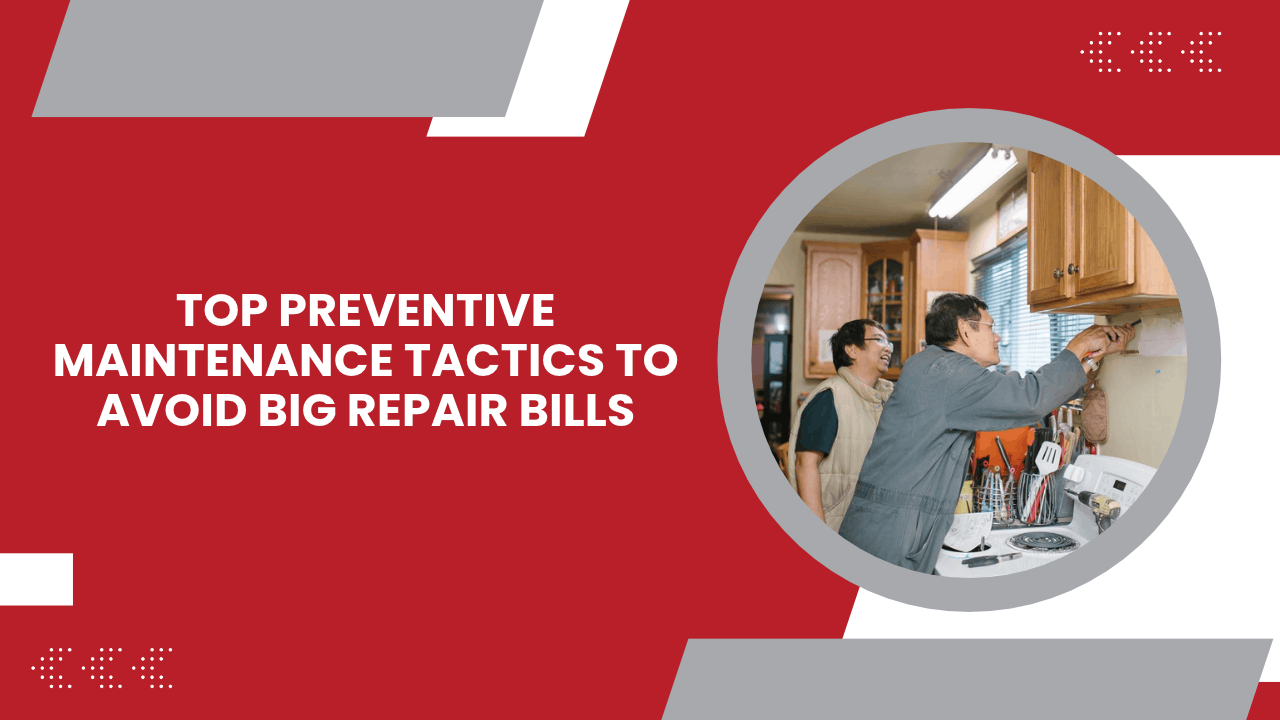
How can rental property owners in Arlington avoid those shocking repair bills?
The answer is so simple: preventative maintenance.
Owning rental property can become expensive when maintenance problems are ignored until they turn into emergencies. A small plumbing leak can cause extensive water damage. A neglected HVAC system can fail during the hottest week of summer. Minor roof issues can evolve into major structural repairs.
By investing in preventative maintenance, owners protect themselves and their properties. They also protect their long-term profitability.
Instead of reacting to expensive breakdowns, proactive landlords focus on identifying small issues early, extending the lifespan of major systems, and reducing costly surprises.
| Our Overview: |
|---|
| - Preventative maintenance helps Arlington landlords avoid expensive emergency repairs. |
| - HVAC servicing, plumbing inspections, and roof maintenance are especially important. |
| - Water damage prevention should be a top priority for rental property owners. |
| - Seasonal maintenance schedules improve organization and reduce deferred upkeep. |
| - Good tenant communication helps identify problems early. |
| - Well-maintained properties improve tenant satisfaction and retention. |
| - Proactive maintenance protects long-term property value and profitability. |
Why Is Preventative Maintenance So Important in Arlington Rentals?
Seasonal humidity, winter freezes, summer heat, and frequent storms all place stress on rental properties. In addition, many Arlington rentals include older plumbing systems, aging roofs, mature trees, or outdated HVAC equipment that require regular oversight.
Without preventative maintenance, landlords often experience:
- Emergency repair costs
- Accelerated equipment failure
- Water damage claims
- Higher vacancy rates
- Tenant dissatisfaction
- Insurance complications
- Reduced property value
Routine inspections and scheduled upkeep are crucial for staying ahead of these costly risks.
HVAC Maintenance as a Top Priority
Heating and cooling systems are among the most expensive components in a rental property. Replacing a failed HVAC system can cost thousands of dollars, especially during peak demand seasons.
Fortunately, many HVAC failures are preventable. It comes down to replacing the filters regularly and scheduling professional HVAC servicing. Twice-yearly HVAC inspections, typically before summer and winter, can give us a bit of warning when systems are about to fail. We ask technicians to check:
- Refrigerant levels
- Electrical connections
- Drain lines
- Blower motors
- Thermostat calibration
- Condenser performance
Routine servicing often costs far less than emergency replacement or after-hours repair calls. It’s a worthy investment for owners in Arlington eager to protect their properties and keep costs down.
Water Damage Prevention Saves Thousands of Dollars
Water damage is one of the most common and expensive problems landlords have to deal with, and it’s also extremely frustrating. Even a slow leak can create mold, flooring damage, drywall deterioration, and structural issues over time. How satisfied do you think tenants are when their home is flooded and their personal possessions in danger?
Not very.
- Inspect Plumbing Routinely. Landlords should periodically inspect under-sink plumbing, toilet seals, supply lines, water heaters, washing machine connections, and exterior hose bibs. Small leaks often go unnoticed by tenants until significant damage occurs.
- Replace Aging Water Heaters Before They Fail. Water heaters rarely fail at convenient times. Older units are particularly vulnerable to leaks and tank ruptures. Many property owners wait until a water heater fails completely before replacement, but proactive replacement often prevents emergency flooding and property damage. As a general guideline, landlords should closely monitor water heaters approaching 8–12 years of age.
- Check Caulking and Seals. Bathrooms and kitchens experience constant moisture exposure. Damaged caulking around tubs, showers, backsplashes, and sinks allows water to seep into walls and flooring over time. Re-caulking is inexpensive and can prevent substantial future repairs.
Roof and Gutter Maintenance Is Essential
Arlington experiences seasonal storms, heavy rain, occasional snow accumulation, and falling branches that can all impact roofing systems. Annual inspections will help you avoid surprise maintenance costs.
Professional roof inspections can identify:
- Missing shingles
- Flashing damage
- Soft spots
- Small leaks
- Ventilation issues
Catching these problems early is far less expensive than repairing widespread water intrusion later.
Clean Gutters Regularly
With roofs come gutters. Clogged gutters are a surprisingly common source of property damage. Overflowing gutters can cause foundation erosion, roof deterioration, basement moisture, siding damage, and landscape drainage issues.
We encourage landlords to schedule gutter cleaning at least twice annually, particularly in neighborhoods with mature trees. Don’t forget to trim trees away from roofs and gutters.
Pest Prevention Protects Property Condition
Rodents, termites, ants, and other pests can create expensive repair problems if infestations are not addressed quickly.
- Seal Entry Points
Small openings around pipes, vents, crawlspaces, and foundations allow pests to enter properties easily. Landlords should inspect for gaps and seal them promptly.
- Schedule Routine Pest Inspections
Termite damage can remain hidden for years while structural deterioration worsens. Annual pest inspections are particularly important for older Arlington properties.
- Address Moisture Issues Quickly
Many pests are attracted to damp conditions. Fixing leaks, improving drainage, and reducing standing water can significantly reduce infestation risks.
Exterior Maintenance Prevents Structural Problems
The exterior condition of a rental property directly affects long-term durability and
curb appeal. There are three preventative things owners can do to protect the condition of their buildings.
- Monitor Drainage. Improper drainage can damage foundations and basements over time. Landlords should inspect for pooling water, soil erosion, downspout discharge issues, and basement moisture.
- Maintain Exterior Paint and Siding. Peeling paint and damaged siding expose properties to moisture intrusion and rot. Routine touch-ups and inspections help preserve exterior materials.
- Inspect Walkways and Railings. Loose railings, cracked walkways, and uneven steps are not only maintenance concerns; they may also create liability risks. Regular inspections improve both safety and property appearance.
Seasonal Maintenance Planning Makes a Difference
Preventative maintenance becomes far more manageable when landlords follow seasonal schedules. We recommend staying organized with a seasonal checklist:
- Spring Maintenance for:
- Roof inspections
- Gutter cleaning
- HVAC servicing
- Exterior inspections
- Landscaping cleanup
- Summer Maintenance
Summer tasks often include:
- Irrigation checks
- Exterior painting
- Pest control
- Window and screen inspections
- Fall Maintenance
Fall preparation should focus on:
- Heating system servicing
- Pipe insulation
- Leaf removal
- Weather sealing
- Winter Maintenance
Winter priorities include:
- Monitoring frozen pipes
- Snow and ice management
- Draft reduction
- Emergency preparedness
Seasonal planning helps owners stay organized while reducing deferred maintenance.
Good Tenant Communication Supports Preventative Maintenance
Tenants are often the first to notice developing problems. Unfortunately, some renters delay reporting issues because they fear inconvenience or assume the problem is minor.
We like to encourage prompt reporting by maintaining open communication and responding professionally. Tenants should understand that
reporting small problems early helps prevent larger disruptions later.
Providing a simple online maintenance portal or clear reporting process can improve response times significantly. If you don’t have the technology to support an online portal,
working with a professional management team like ours provides instant access.
Preventative Maintenance Improves Tenant Retention
Well-maintained properties do more than reduce repair costs. They also improve tenant satisfaction.
Renters notice when we:
- Respond quickly
- Conduct regular inspections
- Maintain clean common areas
- Address issues proactively
- Invest in property upkeep
In competitive Arlington rental markets,
tenant retention matters. Preventative maintenance supports lease renewals by creating a more comfortable and reliable living experience.
Budgeting for Preventative Maintenance
How do you know what this will cost?
Some landlords avoid preventative maintenance because they want to minimize short-term expenses. In reality, deferred maintenance often creates significantly larger costs later.
A smart maintenance budget should include:
- Routine inspections
- Seasonal servicing
- Minor repairs
- Equipment replacement reserves
- Emergency contingency funds
Property owners who budget proactively are typically better positioned to avoid financial strain when
unexpected repairs arise.
Arlington rental property owners who stay proactive gain a competitive advantage in a market that’s getting more expensive. Rental property ownership is ultimately about protecting long-term asset value. With preventative maintenance policies consistently enforced, you’re doing that.
Preventative maintenance not only protects the physical property, it also strengthens reputation, tenant relationships, and long-term investment performance.
FAQs
Q: How often should landlords inspect rental properties?
A: Many landlords perform inspections semi-annually or annually, depending on lease terms and property conditions. Seasonal inspections are also common for identifying maintenance concerns early.
Q: Is preventative maintenance really more cost-effective than reactive repairs?
A: In most cases, yes. Preventative maintenance helps identify small issues before they become expensive emergencies or cause secondary damage.
Q: What maintenance issue causes the most expensive repairs?
A: Water damage is among the most costly and common repair categories because it can affect flooring, drywall, insulation, electrical systems, and structural components simultaneously.
Q: Should tenants handle basic maintenance tasks?
A: Some minor responsibilities, such as changing light bulbs or replacing HVAC filters, may be assigned to tenants if clearly outlined in the lease agreement.
Q: How much should landlords budget annually for maintenance?
A: Maintenance budgets vary by property age and condition, but many landlords estimate a percentage of annual rental income for ongoing upkeep and repair reserves.
Preventative maintenance is a big priority for us, and that’s because we know the benefits it brings to Arlington investments. Let’s talk about a plan for you. Contact us at Arlington Realty and Property Management.
Share this post